In Boston, condo boards often reach a point where routine oversight starts to feel anything but routine. A single winter exposes heating issues, inspections continue year-round, and owners expect fast, consistent decisions. What began as a stable investment can quickly turn into a demanding operational responsibility. At that point, an important question emerges: how does an association know when it is time to rethink management—and how should that decision be made?
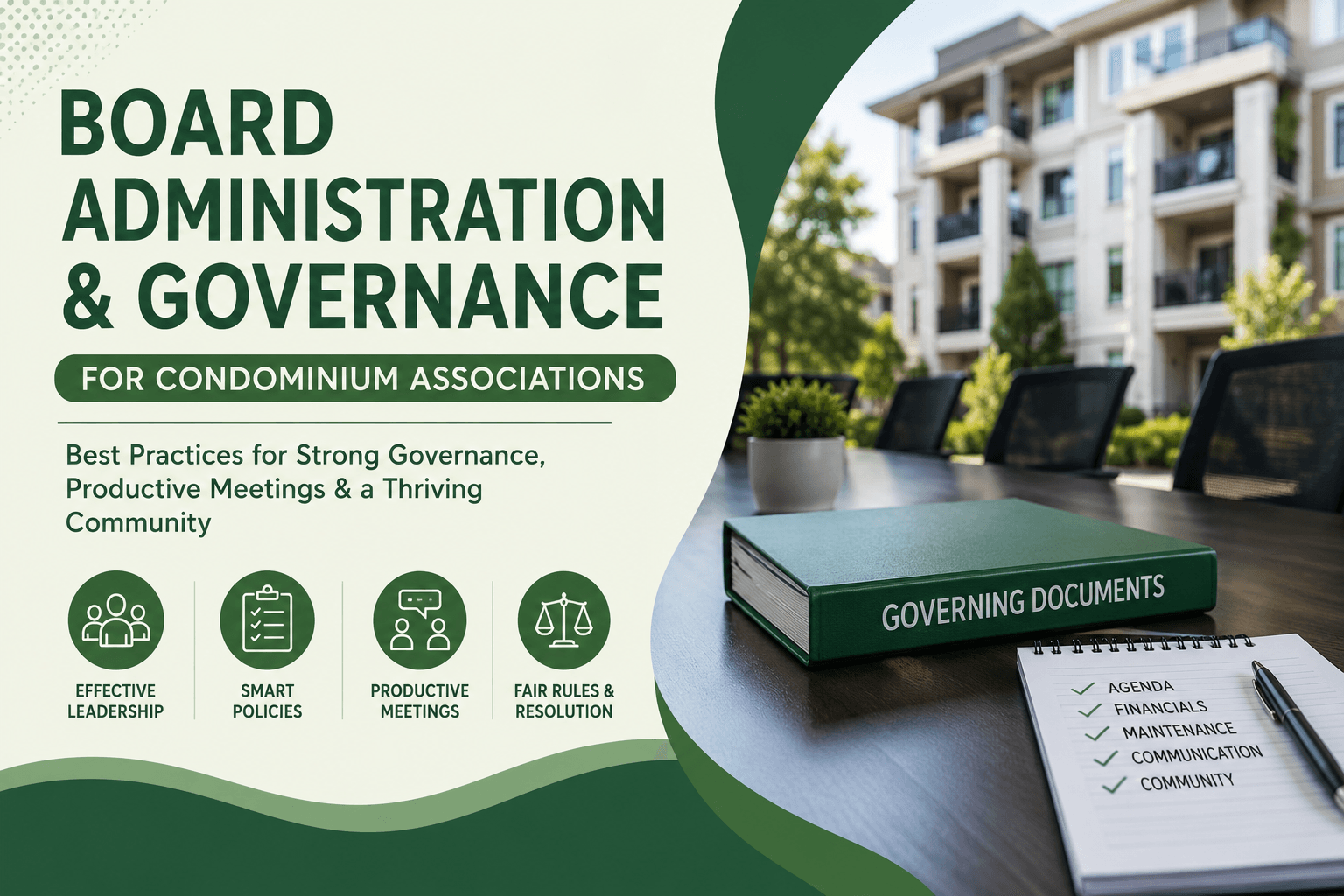
This is where the process to select HOA manager and condo association support becomes critical. It’s not hard to choose from a long list of management companies; the hard part is knowing how to do it right. This guide for condo boards and investors is meant to help them stop making surface-level comparisons and instead focus on what really matters: regulatory competence, financial clarity, and long-term asset protection. This guide’s goal is to help you make better management decisions by framing the right questions and pointing out common risks.
Real Responsibility of a Condo Management Company
Oversight That Extends Beyond Administrative Tasks
A condo management company is not merely an intermediary between vendors and board members. In Boston, management firms act as operational gatekeepers responsible for compliance tracking, documentation accuracy, and execution consistency. City-enforced inspection requirements make it clear that associations are accountable regardless of who performs the work.
When management lacks structure, responsibility still falls on the board. This is why evaluating operational systems—not just responsiveness—is critical during the selection process.
Why Experience in Boston Matters
Local familiarity is not optional. Boston has a way of exposing gaps quickly. The regulations, the seasons, and the age of the buildings all demand local knowledge. Firms that aren’t on the ground here—or don’t know the city well—often underestimate how fast small issues can turn into real problems.
When you don’t have a clear handle on local enforcement expectations or reliable vendor coordination, minor oversights have a way of snowballing. That’s usually how investors end up dealing with violations or losses that could have been avoided with the right local insight.
Defining What “Good” Condo Management Actually Means
Management as a Control System, Not a Convenience
A qualified condo management company functions as a control system for the association. This includes oversight of compliance deadlines, financial accuracy, vendor accountability, and documentation integrity. In Boston, where building and safety inspections are actively enforced, missed details are rarely ignored. The responsibility ultimately remains with the association, regardless of who performs the work.
When evaluating management firms, the key difference is often whether operations are driven by defined systems or by reactive problem-solving. Responsiveness alone addresses issues after risk has already accumulated. What protects boards and owners over time is disciplined execution through repeatable processes that prevent problems from compounding.
Legal Awareness That Protects Association Finances
Condo boards operate within a clearly defined legal framework. Massachusetts General Laws establish rules governing governance procedures, financial handling, and fiduciary responsibility. These laws are precise, and violations—intentional or not—can result in penalties that outweigh the original issue.
A management company’s role is to translate legal requirements into daily operations. Firms that rely on informal practices place boards in a position of latent exposure.
Financial and Operational Systems That Signal Management Quality
Financial Reporting That Enables Informed Decisions
In Boston, the quality of a condo manager shows in how the building runs day-to-day. Great firms use systems that keep you informed; struggling ones only explain things after something goes wrong.
Financial reports are where this matters most. Many boards get lists of numbers that don’t explain the “why.” Without seeing trends, small issues like rising costs or missed fees stay hidden until they become major problems.
Well-managed properties use clear, consistent reporting that connects the money to the maintenance. This allows boards to spot patterns and fix small issues early. In a city as expensive and regulated as Boston, this visibility is essential to protecting the building’s value.
Maintenance Planning as Asset Preservation
Condo maintenance is not a choice, rather, it’s a requirement. The Boston Inspectional Services Department (ISD) enforces strict safety and habitability standards.Ignoring repairs not only breaks the law, but it also costs you a lot of money in emergency repairs and depletes your savings.
Top-tier management treats maintenance as a lifecycle strategy. By syncing preventive care with long-term budgeting, you protect the building’s value and avoid the “panic-spending” that comes with reactive repairs.
Evaluating Management Companies Beyond Pricing
Why Low Fees Often Mask Higher Risk
Cost is a typical first filter when boards consider condo management firms. It’s simple to compare monthly fees, and smaller numbers can seem like the responsible option. In the real world, though, cheaper also tends to mean thinner staffing and compliance monitoring or more bare-bones financial oversight.
Those gaps rarely stay hidden. They often emerge later as missed deadlines, code violations, emergency repairs or disagreements that turn into legal disputes. By the time those costs materialize, any savings from lower management fees have typically been wiped away — and then some.
The Importance of Documented Processes
Look first in the process. The management firms that actually perform well can explain, in plain terms, how they track compliance, handle finances, and manage maintenance—because those systems are written down and consistently followed.
While management depends on memory instead of standard procedures, boards turn into “firefighters” instead of “strategists.” To keep property values in Greater Boston from going down, we need to replace vague explanations with proactive data and a clear structure by means of effective management. This will make sure that problems don’t happen before they affect the bottom line.
When Managing Internally Starts Costing More Than It Saves
The Warning Signs That a Board Is Carrying Too Much Operational Risk
As buildings get older and the rules get tighter, it becomes harder to keep everything running smoothly with informal oversight. Compliance starts to slip between the cracks, financial reviews take more time than they should, and vendor coordination begins to eat up more board bandwidth. On the surface, things may still look fine—but underneath, risk is building through missed deadlines, uneven enforcement, and maintenance decisions that keep getting pushed.
Those are the actual reminders and warning signs. Finding the point where internal oversight stops developing lets you fix things before small problems turn into serious issues that cost you money or get you in trouble with the law.
Shifting From Day-to-Day Control to Long-Term Asset Strategy
What professional condo management really changes is where the energy goes. Instead of getting involved into issues,focus on belonging—governance, planning, and protecting the asset. When reporting is clear, compliance is handled consistently, and maintenance is planned instead of rushed, that constant sense of playing catch-up starts to disappear. For investor-backed associations, the shift is pretty quick. Cash flow stabilizes, regulatory issues stop coming out of left field, and capital decisions feel more deliberate and controlled.
Making an Investment-Grade Condo Management Decision in Boston
Choosing a management partner isn’t a cosmetic upgrade. It’s a capital decision that affects risk, cash flow, and long-term value. Looking at compliance strength, financial systems, and day-to-day discipline together tells a much clearer story than comparing fees side by side. Boards that take this approach usually avoid more problems and see steadier performance over time.
Is your condo management company structured to protect the asset—not just handle tasks?
Speaking with Green Ocean Property Management can provide clarity on whether a professional management approach aligns with your investment priorities.