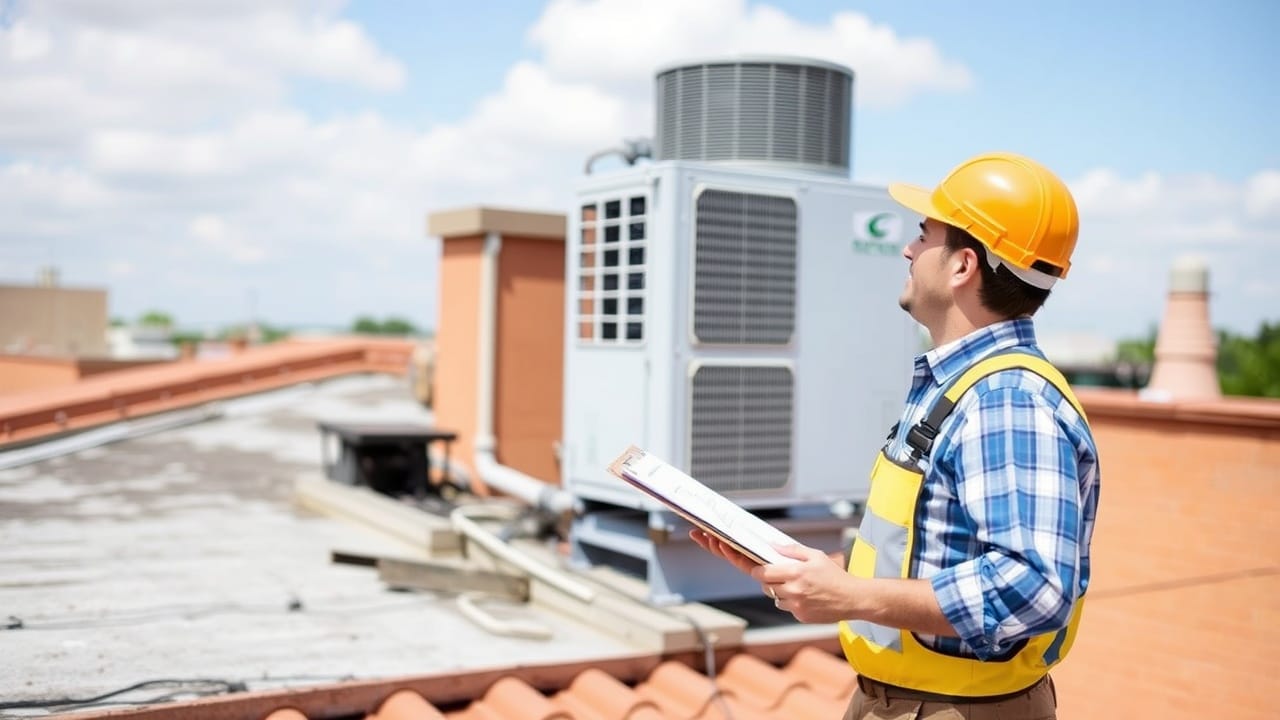
In property management, integrity and functionality of assets is the most important aspect. The regular check-ups and a properly made preventive maintenance plan are a pillar when it comes to making sure that all the facilities run well and efficiently. This paper explores the importance of preventive maintenance, the best methods of performing regular inspections, and offers practical information to the managers of the property who want to improve their maintenance procedures.
Understanding Preventive Maintenance
Preventive maintenance is the regular check and maintenance of equipment and facilities with the aim of ensuring an organism in the face of unexpected failures. It is a proactive approach that aims at detecting possible problems in time before they lead to expensive repairs or downtime. Through preventive maintenance condo strategy, the property managers are able to maintain their properties at the optimum condition, and this has increased their life cycle and efficiency.
Key Components of Preventive Maintenance
- Planned Maintenance Interventions: There must be a schedule that is made of regular maintenance activities. This includes such work as replacement of filters, lubrication of moving parts and inspection of critical systems.
- Documentation and Tracking: Maintenance activities make records of events that serve to monitor the performance of assets over time. Such data may be priceless in the future planning and budgeting.
- Training and Resources: It is important that the maintenance staff is well trained and supplied with the means of successful implementation of a preventive maintenance plan.
- Technology: Leveraging technology, including Computerized Maintenance Management Systems (CMMS), may allow streamlining the maintenance tasks scheduling and monitoring and simplify the process to be more efficient.
The Importance of Routine Property Inspections
A successful preventive maintenance strategy is one which includes routine property inspections. These inspections enable property managers to determine the quality of different systems and components, so that any possible complications are detected in time and solved.
Benefits of Routine Inspections
- Quickly Noticing the Problems: Frequent checks can assist to notice small problems and ensure they are complicated to major repairs to save time and money.
- Improved Safety: Inspections are able to identify safety risks, such that the property is a safe place to live and work.
- Better Asset Longevity: Having a regular check-up schedule allows the property managers to increase the life of their properties and eventually result in reduced replacement costs.
- Observing of Regulations: There are numerous properties, which are prone to local regulations and are compelled to be inspected regularly. Observing the guidelines will prevent the possible fines and legal problems.
Developing an Effective Inspection Schedule
In order to guarantee integrity of a property, it is vital to come up with a comprehensive inspection schedule. This schedule would depend on the needs of the facility and assets.
Factors to Consider
- Type of Equipment: There is a possibility of different systems and equipment that need different levels of inspection frequency. As an illustration, HVAC systems might require more frequent inspections as compared with some minor equipments.
- Patterns of usage: The frequency of using equipment may be used to ascertain the frequency of the inspection periods. Equipments that have a high-utilization may require more inspections.
- The Manufacturer Recommendations: It must never neglected the guidelines that are brought to it by the manufacturer concerning the maintenance and inspection schedules. These suggestions are grounded on the design and purpose of the equipment.
- Past Records: The past records of the maintenances can be examined and one will know when the problems will arise and can plan it more effectively.
Creating a Comprehensive Inspection Checklist
The checklist on the inspection should be properly designed to make sure that no important areas are left out during regular checks. This checklist is supposed to be property and asset specific.
Sample Inspection Checklist
| Inspection Area | Tasks to Perform | Frequency |
| HVAC Systems | The filters and ducts should be checked and the thermostat should also be examined. | Monthly |
| Electrical Systems | Test the wiring and inspect the outlets and verify that the circuit breakers have been turned on. | Quarterly |
| Plumbing | Test the leaks, test the fittings and test the water pressure to ensure that all is going well. | Monthly |
| Safety Equipment | Test the fire extinguishers, test the fire alarms and ensure that the exits are in order and open. | Monthly |
| Exterior | Check the roofing and see whether the gutters are not clogged and check the landscaping around the premise. | Biannually |
Implementing a Preventive Maintenance Plan
Once made, it is necessary to employ a preventive maintenance approach and a schedule of inspection and make sure that it works. This will entail liaising with the maintenance personnel, observing the schedule and making adjustments where they are necessary.
Steps for Implementation
- Delegate Responsibilities: Well spelled out roles and responsibility of maintenance employees to make them accountable.
- Share the Plan: The prevention maintenance plan must be familiar among all the members of the team, and they should be familiar with the importance of the plan.
- Follow-up: regularly monitor maintenance operation and inspection of the fact that everything is working as planned.
- Make Adjustments When Necessary: Have the ability to make changes or modify the plan as necessary based on the feedback and new conditions.
Leveraging Technology for Maintenance Management
In the current digital era, technology is a very important element in helping to maximize the efficiency of a preventive maintenance plan. It may be applied to software solutions that will enhance the efficiency of the processes.
Benefits of Maintenance Management Software
- Centralized Data: A CMMS allows a centralized location of all maintenance events, and thus, it is simpler to retrieve historical data and create reports.
- Automated Scheduling: Automated maintenance management software can schedule the process of carrying out maintenance inspections and maintenance tasks thereby eliminating the chances of missing some activities.
- Real-Time Monitoring: A variety of software solutions have real-time monitoring options, which means that property managers can monitor the state of assets in real-time and address the problem in time.
- Better Communication: improved communication will be achieved between the maintenance personnel and the property managers and all will be on the same page through CMMS.
The Role of Vendors in Preventive Maintenance
The preventive maintenance plan requires interacting with trusted vendors. These suppliers are able to offer special services and knowledge which might not be present internally.
Selecting the Right Vendors
- Research and Reviews: Find those vendors who have a good record and who have received good reviews by other property managers.
- Service Provision: make sure that the vendor provides the exact services that you need in your property, e.g. HVAC, plumbing or electrical.
- Cost and Contracts: Compare prices and contract terms to be sure that you are getting the finest value of your investment.
- Communication and Support: Select vendors that are responsive and with excellent customer support as this can make a big difference in the success of your maintenance plan.
Training Staff for Effective Maintenance
Training is an important aspect that would enable the maintenance personnel to perform effective preventive maintenance activities. This educational program must include technical and safety guidelines.
Training Topics to Cover
- Operation: This is to ensure that the staff are well conversant with the operation of all equipment as well as its maintenance.
- Safety Procedures: Train employees should be trained about the safety measures in order to reduce the chances of accidents in the course of the maintenance works.
- Techniques of Inspections: Training on completeness in inspection and finding possible problems.
- Technology: Get all the personnel acquainted with any maintenance management software or tools to be employed in the preventive maintenance plan.
Evaluating the Effectiveness of Your Plan
It is crucial to continuously improve your preventive maintenance strategy by regularly determining its efficiency. Such evaluation has to examine a wide range of things, including cost savings, performance of equipment, and compliance with regulations.
Key Performance Indicators (KPIs)
- Downtime Reduction: Reply to the question by stating the reduction of equipment down time due to preventive maintenance work.
- Cost Savings: Calculate the costs saves in terms of emergency repairs and long life of assets.
- Inspection Compliance: Monitor the proportion of inspections that are done on time.
- Safety Incidents: Track the rate of safety incidents which are caused by equipment failure or maintenance.
Conclusion
Installing effective preventive maintenance schemes and undertaking periodical checks are critical measures that a property manager would adopt to ensure that his/her assets are still in good condition and working properly. The property managers can make their activities more efficient, and the environment they offer to residents safe by focusing on preventive maintenance, working with technology, and finding trustworthy suppliers. To those, who have a desire to take their maintenance strategy to a new level, one of the ways, which can offer the skills and the assistance which help them reach the level of success in the long term, is cooperation with such professional management service as the Green Ocean Association Management.Learn more on improving your preventive maintenance strategy with the help of Green Ocean Association Management by going to Green Ocean Association Management.
Get Support From an Experienced Management Team
Boards don’t have to manage this alone. Review our management fee structure or Contact Green Ocean to talk with our team about your community.