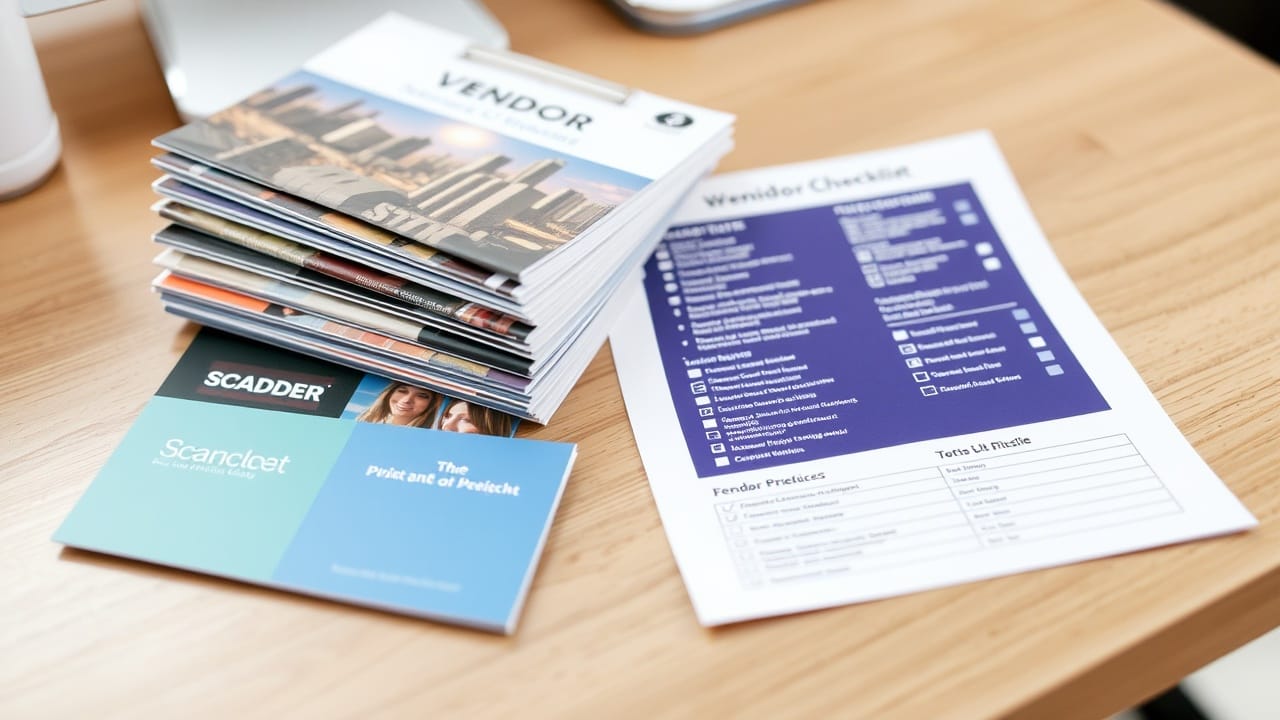
This article delves into the critical aspects of vendor selection and contract best practices, offering a comprehensive guide for Homeowners Associations (HOA) and Condominium boards.
We will explore strategies for effective association vendor procurement, emphasizing the importance of robust contract vetting and diligent vendor management to foster successful, long-term partnerships.
Introduction to Vendor Selection
Effective vendor selection is paramount for any organization, especially for HOAs and Condominium boards that rely on external partners for essential services.
By implementing a structured vendor selection process, associations can identify and engage with suppliers that not only meet their immediate needs but also align with their long-term strategic objectives, ensuring the delivery of high-quality products or services and optimal value for the community.
This initial phase sets the foundation for a resilient third-party network.
Overview of Vendor Selection Process
The vendor selection process is a systematic approach designed to translate business needs into measurable criteria, ultimately identifying partners capable of meeting those expectations with precision.
A rigorous selection process necessitates defining specific business needs, developing comprehensive selection materials, objectively evaluating potential vendor candidates, and ensuring early engagement of all relevant stakeholders. This involves clearly articulating the problem or opportunity at hand and linking it directly to specific, measurable goals. Key steps in this process include:
- Capturing essential financial, operational, and compliance data from prospective vendors using documents like Requests for Information (RFI) and Requests for Proposal (RFP).
- Employing a weighted scoring model to objectively evaluate vendors, meticulously balancing factors such as cost, capability, and cultural alignment.
- Involving technical, legal, and business leaders early in the process to confirm that the selected vendor aligns with the company’s risk tolerance and long-term strategic goals.
This early engagement makes vendor selection a cornerstone of strong vendor management.
Importance of Best Practices in Vendor Management
Vendors exert a direct and significant impact on daily business performance and overall risk exposure, making the implementation of best practices in vendor management indispensable.
Managing vendor relationships with a disciplined and structured approach not only strengthens vendor performance but also cultivates a more resilient and reliable third-party network, crucial for operational continuity.
In today’s increasingly digital and interconnected business landscape, vendor relationships are central to daily operations, meaning that as organizations become more reliant on broader networks of third-party providers, they are simultaneously exposed to greater risks.
Startling statistics reveal that nearly a third of all data breaches involve third parties, yet more than 40% of organizations lack a structured approach to third-party enterprise risk management, highlighting a critical vulnerability.
Poorly managed vendor relationships can trigger cascading ripple effects, ranging from disrupted cash flow to costly project delays and even reputational damage.
Strategic, proactive vendor management allows organizations to anticipate and mitigate these risks, transforming vendor relationships into consistent drivers of performance and tangible return on investment.
Ultimately, strong vendor management is about regaining and maintaining control over existing operational frameworks.
Strategic Vendor Selection Criteria
Strategic vendor selection criteria involve a meticulous process of evaluating potential vendor candidates against standardized measures to ensure alignment with organizational priorities.
It is imperative to define clear and precise criteria that are directly aligned with the overarching business goals.
A data-driven evaluation process is essential to guarantee that every supplier is assessed fairly and objectively, eliminating biases and promoting transparency.
Vendors should be systematically scored against the same rigorous standards, utilizing either a comprehensive scorecard or a weighted scoring matrix.
Crucially, higher weights should be assigned to selection criteria that are most pertinent to the business’s strategic objectives, such as technical expertise, proven on-time delivery rates, or innovative capabilities.
This weighted approach ensures that the final score accurately reflects what truly matters to the organization.
Furthermore, vendor relationships should be cultivated and treated as strategic partnerships, moving beyond mere transactional purchases.
Organizations should look beyond a vendor’s current capabilities to thoughtfully consider their future vision, adaptability, flexibility, and unwavering commitment to supporting the organization’s long-term goals and sustained success, embedding strategic vendor principles from the outset.
Vendor Management Best Practices
Implementing robust vendor management best practicesis essential for ensuring that all vendor partnerships contribute positively to an organization’s objectives, particularly for HOAs and Condominium boards managing critical services.
These practices encompass establishing a comprehensive vendor management program, streamlining processes, and continuously monitoring vendor performance to maximize value and mitigate risks effectively.
By adhering to these guidelines, associations can cultivate strong, productive relationships with their suppliers.
Establishing a Vendor Management Program
Establishing a clear and comprehensive vendor management strategy is a fundamental prerequisite before making any decisions to hire vendors.
This crucial first step involves meticulously defining specific business goals for all vendor partnerships, which could range from:
- Cutting operational costs
- Improving service quality
- Driving faster innovation within the community
Concurrently, it is vital to carefully consider the organization’s risk tolerance with outsourcing various functions.
By establishing clear selection criteria based on these defined goals and risk tolerance, a robust framework can be created that ensures the formation of reliable, cost-effective, and impactful vendor partnerships.
Furthermore, a clear governance model must be established, assigning a primary owner for each vendor relationship and meticulously documenting how different departments, such as procurement, finance, and legal, will share visibility into vendor performance and contract terms.
Implementing consistent reporting mechanisms is also essential to systematically track deliverables, identify potential escalations, and maintain accountability across the entire vendor network, underpinning effective vendor management.
Streamlining the Vendor Management Process
Streamlining the vendor management process involves systematically standardizing and automating core procedures to enhance efficiency and reduce administrative burdens.
This entails replacing ad hoc workflows with clearly defined, consistent procedures that every team member follows without deviation.
A key element is building shared templates for critical stages such as vendor onboarding, thorough due diligence, contract renewals, and ongoing performance monitoring, ensuring uniformity and completeness.
Leveraging automation tools is crucial to trigger timely reminders, collect necessary documentation, and manage various tasks efficiently.
A standardized process brings order and predictability across a company’s entire vendor network, freeing up teams to focus their efforts on maximizing the strategic value derived from each vendor relationship.
Ultimately, employing technology for efficiency simplifies every aspect of the vendor management process, from initial vendor onboarding to meticulous contract management and rigorous performance monitoring.
Utilizing advanced vendor management software significantly enhances efficiency, accuracy, and transparency in managing these vital relationships, contributing to strong vendor management.
Performance Monitoring and Management
Effective performance monitoring and management are critical to ensure that vendors consistently deliver measurable value and remain strategically aligned as business priorities evolve over time.
The core focus must be on transparency, accountability, and proactive engagement with all suppliers.
A key component of this process involves several key activities:
- Continuously monitoring key metrics, meticulously tracking Key Performance Indicators (KPIs) and Service Level Agreements (SLAs) in real time through intuitive dashboards and regular, structured performance reviews.
- Holding regular evaluations, conducting structured business reviews that delve into outcomes, identify potential risks, and uncover new opportunities for collaboration.
- Thoroughly documenting all insights gained and agreed-upon actions to maintain alignment and accountability across both parties.
- Continuously evaluating and strategically evolving vendor performance to adapt seamlessly as business priorities shift, ensuring the vendor remains a valuable asset and management practices are refined.
Recognizing consistent, high-quality performance is vital for strengthening engagement and optimizing outcomes within the vendor relationship.
Procurement Strategies
Effective procurement strategies are fundamental for Homeowners Associations (HOAs) and Condominium boards to secure optimal services and products while mitigating risks.
This section will delve into strategies for effective association vendor procurement, emphasizing compliance, due diligence, and robust risk assessment to ensure that every vendor partnership contributes to the community’s well-being and financial health.
Effective Association Vendor Procurement
Effective association vendor procurement hinges on clearly defining requirements and utilizing standardized evaluation criteria to meticulously avoid any misalignment between expectations and deliverables.
Engaging in thorough market research and comprehensive benchmarking can frequently uncover significant savings opportunities and identify innovative solutions.
Crucially, ensuring cross-functional stakeholder involvement is paramount, as it guarantees that all vendor partnerships are strategically aligned with the overarching business goals and operational needs of the association.
Before initiating contact with any potential vendor, it is essential to articulate precisely what the organization requires, encompassing detailed technical specifications, realistic budget constraints, and specific operational needs.
This involves spelling out desired features, scalability expectations, and critical integrations required for seamless operation.
Furthermore, establishing clear budget limits, defining unambiguous payment terms, and outlining expected Return on Investment (ROI) targets are all vital components.
The requirements document should also incorporate strict payment controls and robust vendor verification processes from the outset to significantly reduce risk exposure.
Many organizations formalize this detailed stage through a comprehensive Business Requirements Document (BRD), ensuring a well-defined framework for vendor selection HOA processes.
Green Ocean Association Management can help streamline this process for your community.
Compliance and Due Diligence in Vendor Selection
Compliance and due diligence are absolutely crucial aspects of vendor selection, necessitating thorough and systematic risk assessments of each potential vendor.
This critical phase involves assessing their financial stability, evaluating their legal and compliance history, and meticulously verifying the steps they have taken to prevent potential supply chain disruptions and mitigate data security incidents. It is imperative to request comprehensive business continuity plans, relevant security certifications, and any other records pertinent to the specific business needs of the association.
Furthermore, it is essential to ensure that all vendors adhere strictly to relevant regulations and industry standards, which may include data privacy laws, specific industry regulations, and sector-specific frameworks.
Regular reviews and evaluations of selected vendors are also indispensable to verify ongoing compliance with contractual obligations and evolving industry regulations, thereby safeguarding the association from potential liabilities and ensuring a robust risk management framework within the vendor management process.
Vendor Risk Assessment and Management
Comprehensive vendor risk assessment should be an integral part of the vendor selection process from its very inception, enabling organizations to identify and address potential deal-breakers early on.
Critical risk areas that demand meticulous assessment include a vendor’s financial stability, their cybersecurity posture, adherence to regulatory compliance, and overall operational reliability. It is essential to thoroughly check a vendor’s credit ratings, evaluate their current debt levels, and review any history of bankruptcy filings.
Furthermore, a detailed examination of their security ratings, historical breach incidents, and the security measures implemented by their own third-party partners is crucial for safeguarding sensitive data.
Confirming strict adherence to all relevant regulations and industry standards, by requesting audit reports early in the process, provides an additional layer of assurance.
Assessing their supply chain reliance is also vital to understand potential disruptions that could arise from external events, ensuring the resilience of services.
This early and proactive risk analysis serves both as a defensive measure and as a guiding principle for making smarter, more informed choices, ultimately ensuring that partnerships are formed with suppliers whose risk profiles are in perfect alignment with the organization’s tolerance, forming a cornerstone of effective vendor management.
Contract Negotiation Tips
Key Components of Vendor Contracts
Vendor contracts are critical instruments that meticulously define the expectations and obligations of both parties, serving as the bedrock for successful association vendor procurement.
Key components must encompass expected performance metrics, clearly articulated payment terms and conditions, robust dispute resolution protocols, and comprehensive termination clauses.
Furthermore, incorporating proactive risk mitigation strategies is essential to ensure both parties feel secure and comfortable with the agreement.
A well-crafted vendor contract not only safeguards your interests but also sets unambiguous expectations for deliverables and establishes a solid foundation for the partnership to flourish.
Specific deliverables, measurable performance metrics, and distinct milestones should be meticulously included in every vendor contract, facilitating a clear assessment of whether a supplier has delivered precisely as promised.
Insurance Checks and Liability Considerations
Before finalizing any vendor contract, thorough insurance checks and meticulous liability considerations are indispensable elements of due diligence, particularly for HOAs and Condominium boards.
It is paramount to verify that the potential vendor possesses adequate general liability insurance, professional liability insurance (if applicable), and workers’ compensation coverage. These policies provide crucial protection against unforeseen incidents, damages, or injuries that may occur during the execution of services, mitigating significant financial risks for the association.
Reviewing the certificates of insurance to confirm policy limits, effective dates, and additional insured endorsements for the association is a critical step in effective vendor management and compliance.
This proactive approach ensures that any potential liabilities arising from the vendor’s operations are appropriately covered, thereby shielding the association from costly legal battles and unforeseen expenses.
Negotiating Terms for Strong Vendor Relationships
Negotiating terms for strong vendor relationships often involves a structured bidding process, which typically includes multiple rounds of discussions to refine and optimize the vendor contract.
Understanding your position of strength or weakness significantly impacts negotiation outcomes, with factors like timing and market breadth playing crucial roles in leverage.
For instance, suppliers facing end-of-month or end-of-quarter targets may be more inclined to offer favorable terms to secure your business.
Your negotiating power also substantially increases when multiple vendors offer similar products or services, fostering competitive tension.
It is advisable to maintain this competitive tension throughout the procurement process and to defer revealing your final vendor decision until all contract terms are meticulously finalized.
This strategic approach ensures the supplier remains engaged and continues to work collaboratively with you on the final negotiable points, cultivating a foundation for a robust vendor relationship.
Tools and Resources
RFP Templates for Effective Vendor Selection
Utilizing well-designed RFP templates is a cornerstone of effective vendor selection, enabling HOAs and Condominium boards to solicit detailed proposals from potential vendors in a standardized and comparable format.
These templates streamline the vendor selection process by clearly outlining the association’s requirements, scope of work, evaluation criteria, and desired contract terms.
A comprehensive RFP template ensures that all prospective suppliers provide the necessary information for a thorough evaluation, covering aspects from technical capabilities and experience to pricing structures and service level agreements.
This standardization not only simplifies the comparison of bids but also enhances transparency and fairness in the procurement process, directly supporting strong vendor management practices and fostering more informed decisions regarding association vendor procurement.
Links to Vendor Payment Controls
Implementing robust vendor payment controlsis a vital component of managing vendor relationships, ensuring financial integrity and mitigating risk.
Integrating links to vendor payment controls within your association’s financial framework helps streamline accounts payable processes while enhancing security.
These controls typically include multi-level approval workflows, automated invoice processing, and reconciliation procedures designed to prevent fraud and errors.
For boards, having direct access to established payment control guidelines and systems ensures that all vendor transactions are compliant, accurately tracked, and disbursed efficiently.
This proactive approach to payment management strengthens financial oversight, reduces administrative burdens, and contributes significantly to the overall health of your vendor management program, reinforcing responsible management practices.
Maintenance Pillars for Ongoing Vendor Management
Establishing clear maintenance pillars for ongoing vendor management is essential to sustain strong vendor relationships and ensure consistent vendor performance over time.
These pillars typically include regular performance monitoring against agreed-upon SLAs and KPIs, scheduled contract reviews, proactive communication protocols, and a defined process for issue resolution.
By systematically applying these pillars, HOAs and Condominium boards can continuously assess the value provided by their suppliers, identify areas for improvement, and address any potential challenges before they escalate.
This structured approach to relationship management fosters accountability, transparency, and collaboration, ensuring that the selected vendor continues to meet the evolving needs of the community and aligns with strategic vendor objectives, thereby optimizing long-term supplier relationships.
Conclusion and Call to Action
Recap of Best Practices
Strong vendor management is fundamentally about asserting control over existing operational frameworks and maximizing the value derived from every supplier relationship.
When contracts, performance data, and ownership reside within a single, structured vendor management system, leaders gain an invaluable, clear view of how each vendor contributes measurable value to the association.
This integrated approach also facilitates the judicious allocation of resources in return.
Effective vendor management entails adopting a structured methodology to build and nurture robust relationships with third-party suppliers, encompassing both operational efficiency and strategic alignment.
It ensures that vendor performance consistently aligns with business objectives while concurrently reducing inherent risks and maximizing overall value.
These best practices are vital for any HOA or Condominium board aiming for superior association vendor procurement.
Encouragement to Implement Vendor Management Strategies
By diligently implementing the vendor management best practices outlined in this article, businesses are not merely setting their vendors up for success, but are actively laying the groundwork for their own business growth, operational efficiency, and long-term sustainability.
Robust vendor management is indeed the cornerstone of successful business relationships, transforming transactional interactions into strategic partnerships.
The most fruitful partnerships thrive on mutual collaboration, unwavering trust, and a shared vision of creating exceptional value for customers and community members.
Implementing these strategic vendor management practices significantly transforms vendor selection from a speculative, risky guess into a tangible, competitive advantage, empowering associations to make informed and confident choices that drive collective success.
Contact Green Ocean Association Management for Assistance
Navigating the complexities of vendor selection, contract vetting, and ongoing vendor management can be challenging for HOAs and Condominium boards.
Green Ocean Association Management specializes in providing expert guidance and comprehensive solutions to streamline your association vendor procurement processes.
Our team is dedicated to helping you implement these best practices, from developing RFP templates to establishing robust payment controls and performance monitoring systems.
Enhance your vendor relationships and secure optimal services for your community by partnering with us.
Contact Green Ocean Association Management today to discover how our tailored expertise can empower your board to achieve superior outcomes and foster strong, reliable supplier relationships.