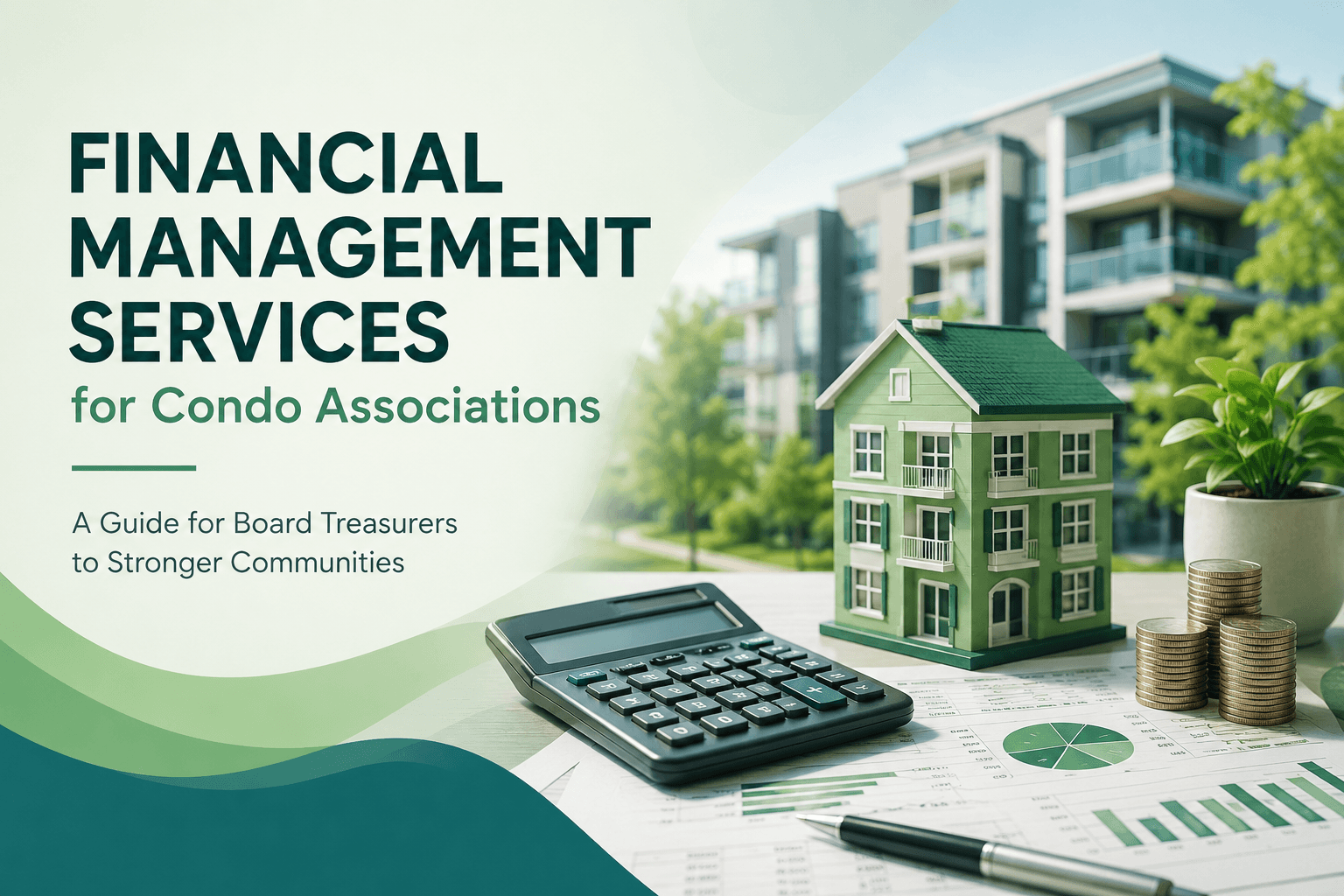
Managing the finances of a condominium association can be complex, requiring careful planning, diligent oversight, and transparent reporting. This guide provides essential information for board treasurers to navigate HOA financial management effectively.
Understanding HOA Financial Management
Effective financial management is the bedrock of a thriving community association, ensuring its long-term stability and success. It involves a systematic approach to handling all monetary aspects of a property.
What is HOA Financial Management?
HOA financial management encompasses all the processes and practices involved in overseeing the monetary health of a homeowner association or condo association. It includes budgeting, collecting assessments, managing expenses, and providing accurate financial reporting to the board and homeowners. This vital service ensures that the association can meet its operational needs and future goals, fostering a secure and well-maintained community for all residents.
Importance of Financial Management in Condo Associations
Robust financial management is fundamental to maintaining property values and the overall well-being of the community. Our financial team at Green Ocean Association Management makes sure every dollar is accounted for and working hard for your community. Transparency isn’t just a buzzword to us; it’s our promise to you. This financial expertise builds trust among homeowners and provides the resources needed for timely maintenance and future improvements.
Key Components of HOA Financial Management
Key components of HOA financial management are multifaceted, covering all essential aspects of an association’s financial health to ensure its stability and operational efficiency. Green Ocean Association Management covers all aspects of financial management, including meticulous budgeting, efficient fee collection, and comprehensive financial reporting. These integrated services ensure an association’s finances are in excellent shape, providing clarity and control to the board members and fostering a well-managed community.
How to Prepare a Condo Budget
Preparing a comprehensive, realistic condo budget is a critical annual task for any community association’s board. It directly affects the financial health and stability of the property. This process requires careful review of historical data, anticipated expenses, and future reserve needs.
Steps to Create an Effective Condo Budget
Creating an effective condo budget involves several crucial steps that ensure all financial aspects of the association are meticulously planned and accounted for. This systematic approach includes reviewing past financial statements, estimating future operational expenses, planning for capital improvements, and assessing reserve fund contributions. A well-prepared budget is a vital tool for the board to make informed decisions and maintain financial transparency within the community.
Common Pitfalls in Budget Preparation
Avoiding common pitfalls in budget preparation is essential for financial stability and operational effectiveness. These errors often include underestimating expenses, failing to fund reserves adequately, or not accounting for unexpected costs. They can lead to financial shortfalls and higher homeowner assessments. Proper planning and expert consultation can reduce these risks and lead to a more accurate, sustainable budget.
Tools and Resources for Budgeting
Utilizing appropriate tools and resources for budgeting can significantly streamline the process and enhance the accuracy of a condo association’s financial planning. These resources often include specialized accounting software, financial templates, and professional consultation services offered by firms like QRGA, which provides dedicated budget preparation services. Access to such tools empowers board members to develop robust and well-informed budgets, fostering long-term financial health for the community.
Reserve Fund Planning for Community Associations
Reserve fund planning is a cornerstone of responsible financial management for community associations, ensuring the long-term viability and aesthetic appeal of the property. This strategic financial practice prepares for significant future expenses, thereby preventing sudden, burdensome special assessments.
What is a Reserve Fund?
A reserve fund is a dedicated savings account maintained by a community association to cover the future repair, replacement, or restoration of major common area components. These can include roofs, asphalt, elevators, and other significant capital expenses that are part of the association’s common property. Reserve funds are crucial for long-term financial stability, and they help avoid unexpected financial burdens on homeowners.
Calculating Reserve Fund Needs
Accurately calculating reserve fund needs requires a detailed look at the useful life and replacement cost of all major common elements. This often requires a professional reserve study, which analyzes the components, their current condition, and projected expenses over several years. Proper calculation ensures sufficient funds are available when needed, reducing the need for special assessments.
Best Practices for Reserve Fund Management
Following best practices for reserve fund management is critical for long-term financial health and stability. It ensures future major expenses are adequately covered. FirstService Financial’s Cash Management team develops optimal short- and long-term financial plans. These plans provide higher earnings than standard accounts while still offering immediate fund access and maximum interest returns. This approach safeguards the association’s assets and gives peace of mind to board members and homeowners alike.
Association Accounting Services
Overview of Accounting Services for HOAs
Professional accounting services are essential for effective financial management, particularly for condominium and homeowner associations in Massachusetts. Doucette CPAs brings significant expertise to this field, offering assurance services, including audit-level opinions, tailored for condominiums, homeowners’ associations, and other real estate groups. Their approach keeps associations in compliance while conducting audits, reviews, and compilation services efficiently and with minimal disruption. QRGA also offers a full suite of accounting and tax services for community associations, understanding the complexities of financial reporting in this sector. They aim to streamline accounting systems, foster fully transparent financial reporting, and manage strategic tax planning to maximize savings for their clients, including condominium associations, homeowners associations, cooperatives, and self-managed communities.
Choosing the Right Accounting Service Provider
Selecting the right accounting service provider is a pivotal decision, since it directly affects financial health and operational efficiency. When evaluating potential partners, it’s crucial to consider their specialized expertise in the unique financial landscape of condominium and homeowner associations. Firms like Doucette CPAs, who aim to accomplish the client’s vision, show a client-centric approach that aligns with an association’s long-term financial goals. A good provider should offer comprehensive solutions, from meticulous financial reporting to strategic tax planning, that strengthen the association’s capacity to serve its community effectively.
Benefits of Professional Accounting Services
Professional accounting services offer real benefits for condominium and homeowner associations, enhancing their financial management and operational effectiveness. By outsourcing accounting work to specialized providers like Doucette, associations can save substantially on salary expenses. This frees internal staff or board members to focus on core association management tasks. Similarly, QRGA helps association management focus on tasks that matter to their membership by handling the details of financial reporting and compliance. These services ensure accurate, timely financial reporting, foster greater transparency, and provide expert guidance on budget preparation and strategic financial planning, contributing to the community association’s long-term stability and success.
HOA Budgeting Best Practices
Setting Financial Goals for Your Association
Setting clear, achievable financial goals is a foundational best practice for any community association’s budgeting process. These goals guide all subsequent financial decisions and actions. They should cover both short-term operational needs and long-term capital improvement plans, ensuring the sustained health of the condominium or homeowner association. A well-defined financial roadmap helps board members make informed decisions on reserve fund planning, assessment levels, and expense management. This proactive approach keeps the association financially stable, able to meet current obligations while preparing for future challenges and opportunities.
Regular Financial Reporting and Transparency
Regular financial reporting and clear transparency build trust and accountability within any community association, especially condominium and homeowner associations. FirstService Residential exemplifies this best practice by providing detailed, accurate, and timely financial reporting, which is crucial for informed decision-making by board members and homeowners. They also offer 24/7 secure online access to all financial records, so every homeowner can review the association’s financial standing. Similarly, QRGA helps create fully transparent financial reporting, which is essential for effective association management and homeowner confidence.
Engaging Homeowners in the Budgeting Process
Engaging homeowners in the budgeting process fosters a sense of community ownership and increases transparency. By involving homeowners, board members can gather valuable input on community priorities, operational expenses, and potential improvements. This ensures the budget reflects the collective needs of residents. This participatory approach builds trust and helps homeowners understand the reasoning behind assessment levels and reserve fund planning, making them more likely to support the association’s financial decisions. Effective communication and educational initiatives can empower homeowners to contribute meaningfully to their community’s financial well-being.
Conclusion
Recap of Key Financial Management Strategies
Effective financial management for condominium and homeowner associations relies on a few key strategies: meticulous budget preparation, robust reserve fund planning, and diligent accounting services. Combined with transparent financial reporting and proactive homeowner engagement, these practices ensure the community’s long-term stability and prosperity. Adopting these strategies helps associations navigate financial complexities, reduce risks, and foster a thriving environment for all residents.
Partner with Green Ocean Association Management
For condominium and homeowner associations seeking to optimize their financial health and streamline operations, partnering with a seasoned property management company is a smart decision. Green Ocean Association Management offers comprehensive solutions tailored to your community’s needs, from expert budget preparation and reserve fund planning to meticulous financial reporting and vendor management. Let our expertise in HOA financial management ease your burdens and enhance the value of your community. Contact us today to discover how our dedicated property management services can transform your association’s financial future.
Let a Professional Manager Handle This
This is exactly the kind of work our team handles every day for Boston-area associations. Check our pricing for association management or Reach out to talk with our team about your community.