Understanding Homeowner Association Rules in Boston

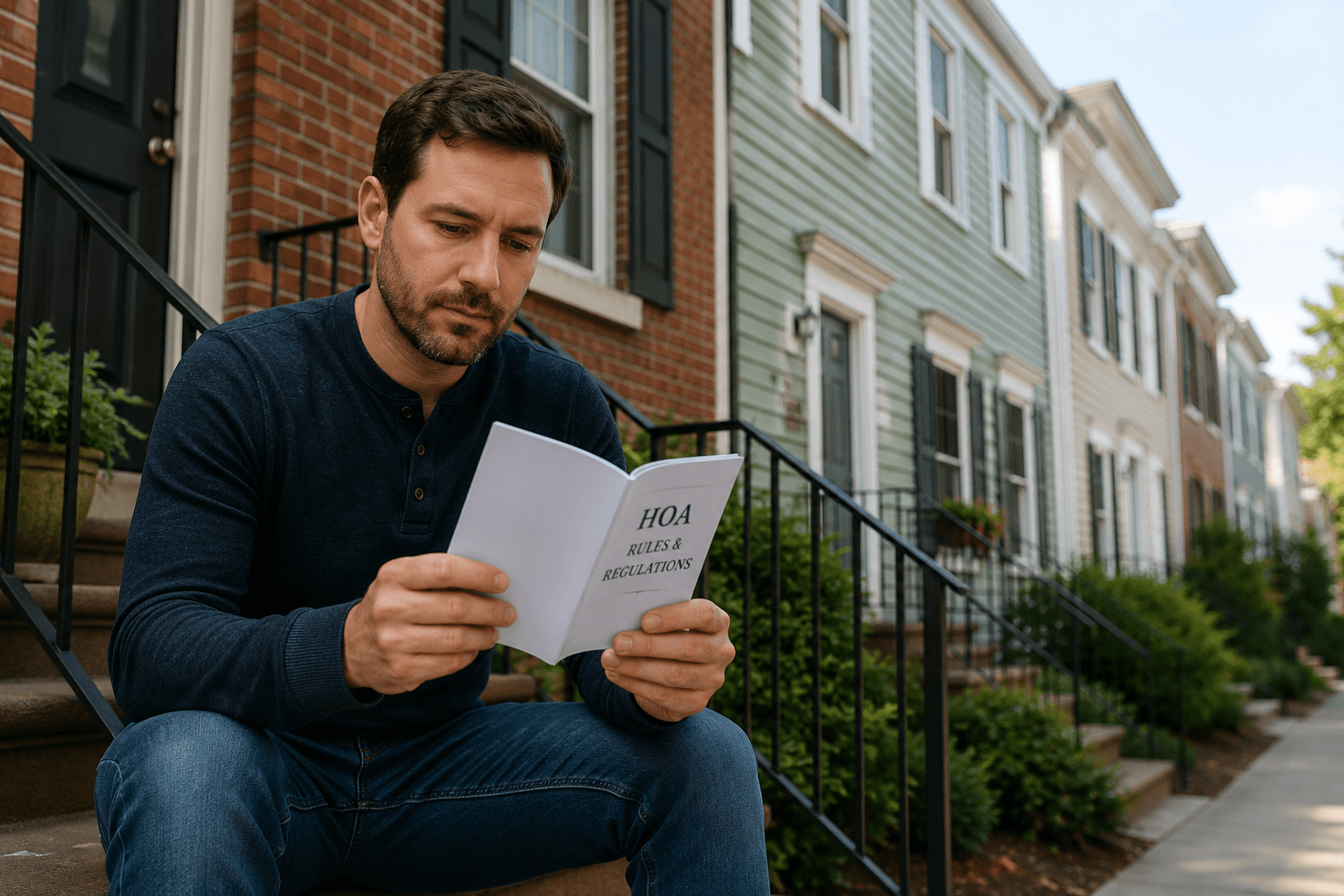
A person sits on a stoop reading a small booklet with townhouses behind them

Understanding Homeowner Association Rules in Boston

Understanding the intricacies of Homeowner Association (HOA) rules is paramount for current and prospective property owners in Boston, Massachusetts. These regulations significantly influence daily living, property modifications, and the overall community environment. This article aims to demystify HOA rules, providing a comprehensive guide for navigating these essential aspects of residential life in Boston.

Introduction to Homeowner Associations (HOAs)

Delving into the world of Homeowner Associations, this section establishes a foundational understanding of what HOAs are, their purpose, and the critical role their rules and regulations play within residential communities.

Definition of HOAs

A homeowners association, or HOA, constitutes a nonprofit organization comprising property owners residing within a specified building or residential neighborhood, often involving a dedicated board of directors responsible for facilitating meetings, making pivotal decisions, and enforcing established rules.

The fundamental goal of these homeowner associations is to ensure that common areas are meticulously maintained and that specific use and building restrictions are consistently enforced, contributing to the preservation of property value and quality of life in HOA communities.

LocationHOA Governance and Focus
GeneralEnsures common areas are maintained and enforces use/building restrictions.
MassachusettsNot specifically governed by a singular act. Condominium and condominium associations are more prevalent, often focusing on ownership of common areas rather than solely protecting individual home values.

Importance of HOA Rules and Regulations

HOAs possess the inherent authority to establish and implement comprehensive rules and regulations pertinent to their community, which are crucial for ensuring adherence to specific standards that govern everything from meticulous landscaping requirements to the organization of community events.

The HOA board bears the significant responsibility of enforcing these vital HOA rules and maintaining the common areas, with the power to impose fines or undertake other corrective actions should rules be violated, thereby upholding the integrity of the community.

Furthermore, these associations can regulate modifications to individual homes to meticulously preserve the neighborhood’s aesthetic appeal and overall property value, as these comprehensive rules and regulations are instrumental in maintaining order and significantly enhancing the quality of life within the HOA community.

Overview of Massachusetts HOA Laws

Homeowners associations in Massachusetts are not explicitly governed or regulated by a specific state act, unlike condominium associations, which are addressed under Chapter 138A of the State Code.

Consequently, the primary legal framework applicable to the management of HOAs, apart from broader state and federal laws, derives directly from the declarations and bylaws meticulously crafted by the association itself.

Therefore, while HOAs in Massachusetts are not subject to a dedicated statute like condominium associations, they must rigorously operate within the confines of established Massachusetts HOA laws, meticulously ensuring compliance with both state and federal laws and regulations.

Aspect of GovernanceApplicable Framework for Most HOAs in Massachusetts
Creation of BylawsState Corporate Law
Record FilingState Corporate Law
Election of Board MembersState Corporate Law

Navigating HOA Rules and Regulations

This section explores the crucial aspects of navigating HOA rules and regulations, from understanding key governing documents to the specifics of enforcement within Boston’s diverse communities.

Understanding Governing Documents

The foundational governing documents of an HOA are critically comprised of the declaration, bylaws, and specific rules and regulations. Each serves a distinct yet interconnected purpose in the proper functioning of the community, while also ensuring all governing documents align with state and federal laws to prevent legal issues.

Here’s a breakdown of each document:

DocumentKey Aspects Covered
DeclarationCommunity’s fundamental principles and restrictions, property usage, and architectural guidelines.
BylawsHOA’s internal governance structure, composition of the HOA board, election procedures for board members, and protocols for HOA meetings.
Specific Rules and RegulationsNuanced aspects of community living, including noise levels, parking restrictions, and appropriate use of common areas.

Common Rules and Regulations in Boston HOAs

HOAs in Boston meticulously establish a comprehensive set of guidelines for their communities, encompassing both stringent restrictions and clear obligations for residents, all with the overarching objective of maintaining an elevated standard of living and preserving property values.

Common HOA home exterior rules frequently include detailed guidelines for landscaping and architectural modifications, requiring homeowners to adhere to strict guidelines when undertaking any external changes to their properties, often covering elements such as exterior paint colors, specific building additions, and even fence and deck specifications.

Homeowners are typically mandated to submit detailed plans to the HOA board for approval, which may necessitate architectural designs and an exhaustive list of materials to be utilized, ensuring visual harmony and adherence to community rules.

Furthermore, installing features like solar energy systems or satellite dishes often requires careful compliance with both state laws and specific HOA regulations, frequently involving precise placement guidelines to prevent any adverse impact on the community’s aesthetic.

Enforcement of HOA Rules

When instances of non-compliance with HOA rules arise, homeowners associations possess the authority to impose a range of penalties, which may include monetary fines or temporary restrictions on access to common amenities within the community.

For more severe or persistent violations, the HOA may escalate its actions by filing liens against the property or, in extreme cases, pursuing foreclosure, underscoring the serious implications of failing to adhere to the established covenants.

It is paramount for the HOA board to administer these enforcement actions fairly, consistently, and with transparent communication to maintain trust and foster a cooperative relationship among all residents living in an HOA community.

Occasionally, disputes may unfortunately escalate into private lawsuits, necessitating both parties to present their arguments in a court of law, which highlights the critical importance of having clear, unambiguous, and thoroughly documented HOA rules to effectively defend the association’s actions and decisions, thereby ensuring the diligent enforcement of HOA rules remains essential for upholding the community’s standards and property value.

Living in an HOA Community

Rights and Responsibilities of Unit Owners

Living in an HOA community in Boston comes with a distinct set of rights and responsibilities for every unit owner, meticulously outlined in the association’s governing documents.

Homeowners are expected to obey all regulations set forth by the community association, so long as they do not contradict local and state laws.

Homeowners are responsible for knowing and understanding all regulations set forth by the homeowners’ association, as these rules and regulations are designed to maintain community standards and preserve property value.

If you purchase property within an HOA-managed community, you will more than likely have to sign a contract stating your membership within the HOA and your acknowledgment of community regulations.

Members of a homeowners association in Boston have the right to access common areas, participate in HOA meetings, and vote on significant issues that affect their living environment.

Equally, members are responsible for adhering to the community rules, paying assessments on time, and maintaining their properties.

Regular attendance at HOA meetings is essential for staying informed and voicing concerns, ensuring that every property owner can actively participate in the governance of their community.

Impact of HOA Rules on Property Value

Homeowners associations also have a powerful impact on property values within their communities.

The enforceability of HOA rules and the diligent maintenance of common areas directly contribute to the aesthetic appeal and desirability of the neighborhood, which in turn influences market value.

If a homeowner moves into a condo and after a few years the homeowners association makes changes to common areas potentially affecting the unit owner’s property value, this can easily lead to disputes and legal claims.

These fees ensure that common areas are well-maintained, which helps in preserving or even increasing the property values within the community.

A well-maintained common area increases property values and ensures that the community remains attractive to potential buyers, thereby protecting the investment of every property owner.

The efficacy of HOA management in upholding these standards is crucial for sustained property value appreciation.

Understanding HOA Fees in Boston

In Boston, MA, HOA fees vary widely depending on the type of property, its location, and the amenities offered, directly impacting the financial obligations of each property owner.

For condominiums, monthly HOA fees can range from $200 to $700 for basic services, covering essential maintenance and operational costs.

Properties in more luxurious buildings with extensive amenities such as fitness centers, pools, and 24-hour security can see fees upwards of $1,000 per month, reflecting the higher cost of maintaining these enhanced facilities.

HOA fees in Boston typically cover a wide range of services and amenities, including landscaping, snow removal, trash pickup, and upkeep of common areas like lobbies, hallways, and elevators.

Many associations also include a portion of the building’s insurance and utilities for common areas in the fees.

A significant part of these fees goes into a reserve fund, used for major repairs and replacements such as roofing or shared HVAC systems, which is crucial for the long-term financial health of the community.

Paying HOA fees is a legal obligation for property owners within an association-governed community.

Non-payment of these fees can lead to fines, legal action, and even a lien on the property, underscoring the importance of adhering to these financial responsibilities as stipulated by the governing documents and state laws.

HOA Management and Property Management Solutions

Role of HOA Management in Boston

The role of professional Boston HOA management is indispensable for the seamless operation and long-term sustainability of homeowner associations, diligently ensuring compliance with all relevant state and federal laws.

Professional Boston HOA management handles tasks such as maintenance requests, communication with residents, preventative maintenance, and vendor coordination, thereby alleviating the administrative burden on board members.

Expert financial management is a cornerstone of professional HOA management services, with skilled professionals handling budgeting, dues collection, and financial reporting with utmost transparency.

Professional HOA management guarantees legal compliance by staying abreast of regulations, handling documentation, and providing guidance to the HOA board on complex matters.

Professional HOA management actively promotes community engagement by organizing events, facilitating open communication, and addressing resident concerns, fostering a harmonious living environment for all.

With a dedicated team overseeing operations, association members can enjoy a hassle-free experience, allowing them to focus on strategic decisions and community enhancements, ultimately preserving and enhancing property value for every unit owner.

Affordable Property Management Solutions

Investing in a professional property management partner from the outset often leads to significant cost savings over time for homeowner associations, as efficient operations and strategic planning contribute to the community’s overall financial health, thereby enhancing property value.

A reputable company provides transparent pricing structures so that every property owner can understand the services included and the operating expenses they can expect, avoiding any hidden fees.

This transparency is crucial for maintaining trust within the HOA community and ensuring accountability from the property management company.

If the HOA management company includes a network of trusted vendors, legal resources, and technology that supports community engagement, those are value adds that can justify a price tag, ultimately providing comprehensive property management solutions that extend beyond basic services.

These elements contribute to a more effective and cost-efficient management of common areas and the overall community.

Choosing the Right Property Management Company

When choosing an HOA property management company for your Boston HOA, it is paramount to prioritize those with extensive experience specifically within the local market.

Local expertise is invaluable in navigating municipal regulations, understanding distinct neighborhoods, and efficiently managing seasonal challenges unique to New England, ensuring compliance with all state laws and local ordinances.

Evaluate an HOA management company’s reputation by exploring client testimonials and industry references, seeking out those with a proven track record.

A stellar track record, positive client feedback, and industry recognition are indicative of a company’s reliability and its ability to effectively manage HOA rules and maintain property value.

Check that the services offered by an HOA management company align with the specific needs of your community, whether it’s comprehensive financial management, expert maintenance of common areas, or robust communication strategies with every property owner.

Evaluate the transparency of pricing structures, and check that there are no hidden fees, as this ensures clarity and trust in the partnership.

Selecting the right property management company is a critical decision that impacts the well-being and financial stability of the entire HOA community.

Conclusion

Summary of Key Points

Homeowners associations in Massachusetts are not governed by a specific state act, but rather by their own declarations and bylaws, which are the foundational governing documents for every property owner.

These governing documents meticulously outline the rules and regulations, and financial obligations for property owners within the community.

HOAs have the right to create and enforce rules to maintain community standards and property values, playing a crucial role in the quality of life within HOA communities.

Professional HOA management can provide efficient day-to-day operations, expert financial management, legal compliance, and enhanced community engagement, ensuring that all laws and regulations are met.

Choosing the right property management company involves considering local experience, reputation, alignment of services, and cost transparency, all of which contribute to effective property management and the preservation of property value for every unit owner.

Navigating the complex landscape of HOA rules and property management in Boston doesn’t have to be a challenge.

If your association is seeking an experienced partner to streamline operations, ensure compliance with state and federal laws, and enhance community living, Green Ocean Association Managementoffers comprehensive and affordable property management solutions tailored to your unique needs.

We are dedicated to delivering transparent, efficient, and proactive management that safeguards property values and fosters harmonious HOA communities.

Contact us today to discover how our expertise can benefit your homeowners’ association and provide peace of mind for every unit owner.

Let Green Ocean Association Management simplify your HOA management, allowing your board members to focus on strategic initiatives rather than daily operational burdens.

Resources for Further Information

If you have questions about interpreting your state’s legal requirements or the association’s governing documents, please contact an attorney that is licensed in your state, as legal advice is essential for navigating complex HOA law and ensuring compliance.

For general information about association management in Boston, it’s always recommended to reach out to a legal professional for specific advice on local laws and regulations, particularly concerning Massachusetts HOA laws and property management.

You can find an HOA management company for your association today with our local directory or free search tool.

For in-depth guidance on specific HOA rules or to discuss potential disputes, contact Calabrese Law Associates today to set up a free consultation or call us at 617-340-6623 to discuss your HOA concerns, ensuring that your rights and responsibilities as a property owner are fully understood.

Share the Post:

Related Posts

Join Us Today and Experience the Difference!