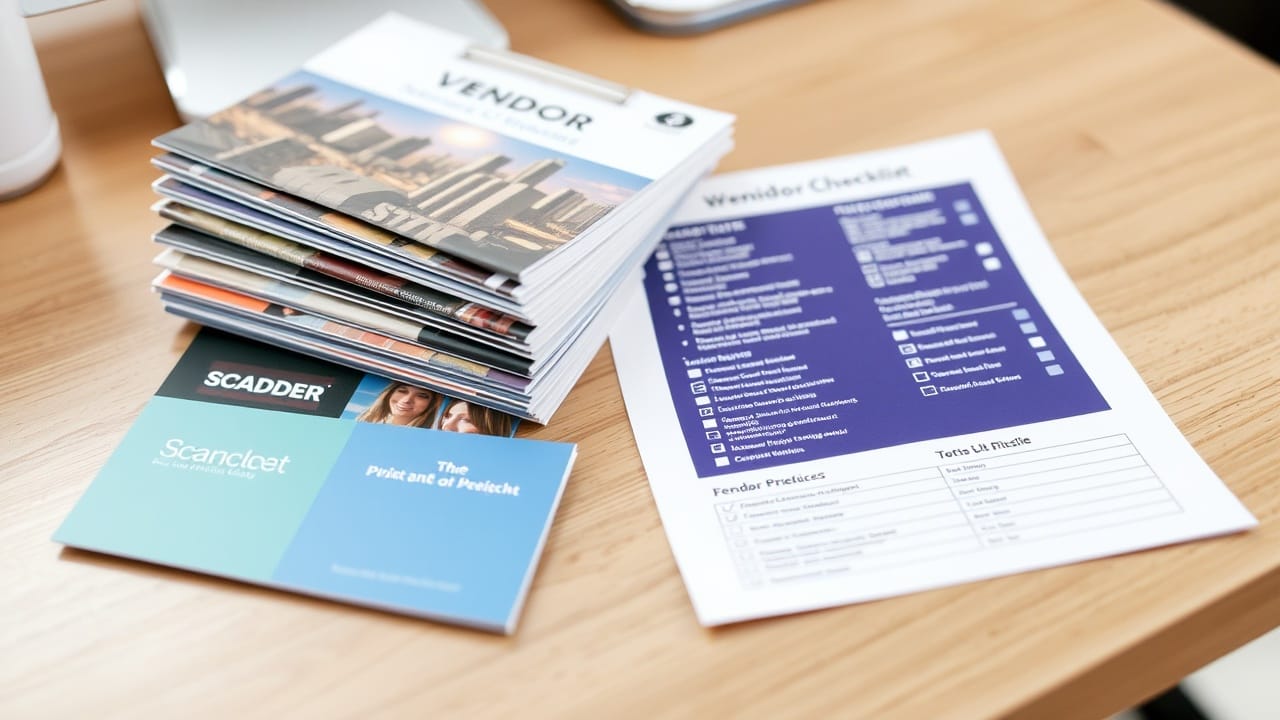
Choosing the right vendors and writing solid contracts protects your HOA or condo association. This guide covers how to select vendors, manage them well, negotiate strong contracts, and use the right tools to support the process.
Introduction to Vendor Selection
Vendor selection matters for any HOA or condo board that relies on outside companies for services. A structured process helps your association find vendors that meet immediate needs and fit your long-term goals. This sets the foundation for reliable, high-quality partnerships.
Overview of the Vendor Selection Process
A good vendor selection process turns your community’s needs into clear, measurable criteria, so you can find partners who can actually meet them. Key steps include:
- Gathering financial, operational, and compliance information from vendors using Requests for Information (RFIs) and Requests for Proposal (RFPs)
- Using a weighted scoring model to fairly compare cost, capability, and fit
- Involving technical, legal, and board leaders early to confirm the vendor fits your risk tolerance and long-term goals
Why Best Practices in Vendor Management Matter
Vendors have a direct impact on your community’s daily operations and overall risk. A disciplined approach to vendor management builds a more reliable network of suppliers.
Nearly a third of all data breaches involve third parties, and more than 40% of organizations lack a structured way to manage that risk. Strong vendor management practices help you spot and reduce these risks, turning vendor relationships into a source of consistent value.
Strategic Vendor Selection Criteria
Strategic vendor selection criteria means evaluating vendors against clear, standardized measures that match your community’s priorities.
- Define criteria that connect directly to your association’s goals.
- Use a data-driven, consistent scoring process so every vendor is judged fairly.
- Weight the criteria that matter most, like technical skill, on-time delivery, or innovation.
- Treat vendors as long-term partners, not one-time purchases. Consider their future vision and flexibility, not just their current abilities.
Vendor Management Best Practices
Strong vendor management practices help every partnership support your association’s goals. These practices include setting up a management program, streamlining your processes, and continuously monitoring vendor performance.
Establishing a Vendor Management Program
Before hiring any vendor, define your goals clearly. These might include:
- Cutting operational costs
- Improving service quality
- Driving faster innovation within the community
Also think about how much risk your association is comfortable taking on when outsourcing. Clear goals and risk tolerance together create a strong framework for choosing vendors.
Streamlining the Vendor Management Process
Replace ad hoc habits with clear, consistent steps that everyone follows. Build shared templates for onboarding, due diligence, contract renewals, and performance monitoring. Use automation tools to send reminders and collect documents.
A standardized process brings order to your entire vendor network and frees up your time to focus on getting the most value from each vendor relationship. The right vendor management software can make onboarding, contracts, and performance tracking much easier.
Performance Monitoring and Management
Monitoring performance keeps vendors delivering real value as your needs change. Focus on transparency, accountability, and staying proactively engaged with your suppliers. Key activities include:
- Tracking Key Performance Indicators (KPIs) and Service Level Agreements (SLAs) in real time through dashboards and regular reviews
- Holding regular business reviews to check outcomes, spot risks, and find new opportunities
- Documenting insights and agreed actions to stay accountable
- Adjusting expectations as your association’s priorities shift
Procurement Strategies
Good procurement strategies help HOAs and condo boards get the best services while managing risk. This means focusing on compliance, due diligence, and careful risk assessment for every vendor.
Effective Association Vendor Procurement
Effective procurement starts with clearly defined requirements and standardized evaluation criteria, so there’s no mismatch between what you expect and what you get. Your requirements should include:
- Technical specifications, realistic budgets, and specific operational needs
- Desired features, scalability, and integration needs
- Clear budget limits, payment terms, and expected return on investment
- Payment controls and vendor verification steps to reduce risk
Many associations formalize this in a Business Requirements Document (BRD). Engaging in thorough market research and benchmarking can also uncover savings and better solutions. Green Ocean Association Management can help streamline this process for your community.
Compliance and Due Diligence in Vendor Selection
Due diligence means thoroughly assessing each vendor’s risk before you sign. Areas that demand a close look include a vendor’s financial stability, cybersecurity posture, regulatory compliance, and legal history. Ask for business continuity plans and security certifications, and confirm the vendor follows data privacy and industry rules that apply to your association.
Review vendors regularly, even after you’ve hired them, to make sure they’re still meeting your standards.
Vendor Risk Assessment and Management
Also review a vendor’s supply chain to understand what could disrupt their service. This early risk analysis protects your association and helps you choose vendors whose risk level matches what your board is comfortable with.
Contract Negotiation Tips
Key Components of Vendor Contracts
A vendor contract should clearly define what both sides expect and owe each other. Make sure every contract includes:
- Expected performance metrics and clear milestones
- Payment terms and conditions
- Dispute resolution steps
- Termination clauses
- Risk mitigation terms that protect both parties
A well-written contract protects your association’s interests and sets clear expectations from day one.
Insurance Checks and Liability Considerations
Before finalizing any contract, check the vendor’s insurance carefully. Confirm they carry adequate general liability insurance, professional liability insurance (if relevant), and workers’ compensation coverage. Review their certificate of insurance for policy limits, effective dates, and whether your association is listed as an additional insured. This protects your community from unexpected costs if something goes wrong.
Negotiating Terms for Strong Vendor Relationships
Good negotiation often takes multiple rounds of discussion. Know your position: timing and how many similar vendors are available both affect your leverage. For example, vendors nearing the end of a month or quarter may offer better terms to close a deal. Having multiple vendors that offer similar services also increases your negotiating power.
Keep that competitive tension throughout the process, and hold off on announcing your final decision until every contract term is settled. This keeps vendors engaged and helps you land the best possible terms.
Tools and Resources
RFP Templates for Effective Vendor Selection
RFP templates let your board request detailed proposals from vendors in a standard, easy-to-compare format. A good template lays out your requirements, scope of work, evaluation criteria, and contract terms clearly, so every vendor gives you the information you need, including technical ability, pricing, and service commitments. This makes comparing bids much easier and keeps the process fair and transparent.
Vendor Payment Controls
Strong vendor payment controls protect your association’s finances and reduce risk. These typically include multi-level approval steps, automated invoice processing, and regular reconciliation to prevent fraud and errors. Giving your board direct access to these controls helps ensure payments are accurate and made on time, which strengthens financial oversight and reduces administrative work.
Maintenance Pillars for Ongoing Vendor Management
To keep vendor relationships strong over time, focus on a few key habits:
- Regular performance monitoring against SLAs and KPIs
- Scheduled contract reviews
- Proactive communication
- A clear process for resolving issues
These habits help your board catch problems early and keep every vendor relationship accountable and transparent.
Conclusion
Putting these vendor management practices into action helps your board build more efficient, sustainable operations, not just better vendor relationships. Strong vendor management turns simple transactions into real partnerships built on trust and shared goals.
These practices turn vendor selection from a guessing game into a genuine advantage for your community, helping your board make confident, informed choices.
Contact Green Ocean Association Management
Vendor selection, contract review, and ongoing vendor management can be a lot to handle for HOA and condo boards. Green Ocean Association Management offers expert guidance and full-service support to streamline your vendor procurement process, from building RFP templates to setting up payment controls and performance monitoring.
Contact Green Ocean Association Management today to see how our expertise can help your board build strong, reliable supplier relationships.
Considering Professional Management?
If this feels like more than your board can keep up with, we can help. See our pricing or Get in touch to talk with our team about your community.